


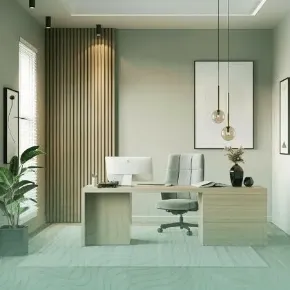
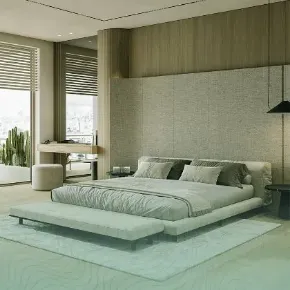
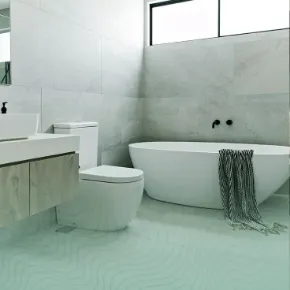
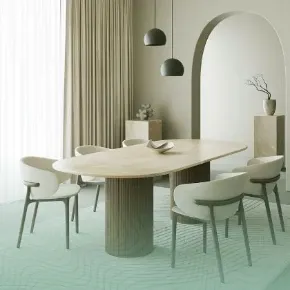
Interior design extends far beyond picking attractive showpieces or filling up empty room corners. It is an applied science and spatial art dedicated to shaping your living space around your daily lifestyle, directly affecting your mental clarity, stress levels, and emotional well-being. A stylish home may impress your guests, but a thoughtfully designed one ensures you feel truly anchored and comfortable every single day.
Whether you are designing a new residence from scratch or refreshing your current home with classic elegance or modern minimalism, structured architectural planning is essential. In this detailed guide by Liqana, we break down the core rules of spatial design to help you make informed choices and avoid common styling pitfalls.
1. Color Psychology : Creating Ambiance & Spatial Depth
Colors act as the primary visual and emotional driver of any room. They do not merely coat your walls; they manipulate light perception and visually adjust room proportions :
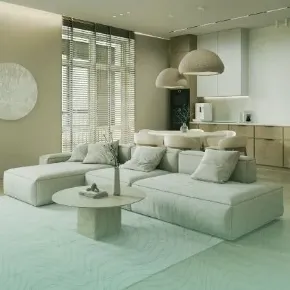
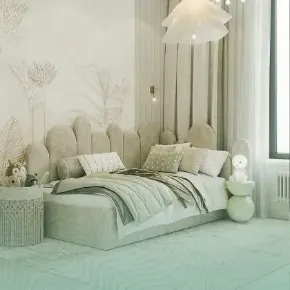
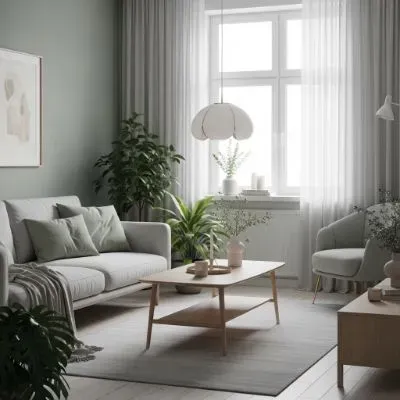
Soft Neutrals ( Warm Beige , Muted Grey , Off-White ) : Neutrals provide a serene backdrop that makes spaces feel open, airy, and uncluttered. They offer a versatile base that allows you to swap out seasonal accents, cushions, and artwork without repainting walls or replacing main furniture sets.
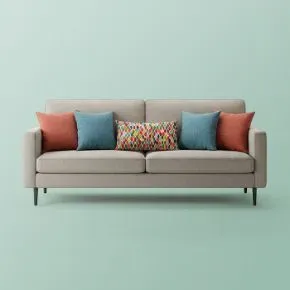
Rich Accent Tones ( Deep Emerald , Royal Navy, Terracotta ) : Deep tones introduce sophistication, warmth, and dramatic flair. Utilize these on key focal points such as an accent wall behind a bed or a custom statement velvet sofa in the main living lounge.
The 60-30-10 Rule : To maintain visual harmony , use 60% of your room's space for the primary neutral shade (walls and ceiling) , 30% for the secondary color (upholstery and curtains) , and 10% for vibrant accent pop colors (decor accessories and cushions).
2. Intelligent Layouts & Custom Furniture : Optimizing Traffic Flow
One of the most frequent mistakes homeowners make is buying standard, mass-produced furniture that fails to fit their actual room dimensions, leading to cramped walkways and awkward layouts:
Architectural Proportions & Clear Flow : Always preserve a clear walking pathway of 70 to 90 cm between major furniture items and walls. An oversized couch in a narrow room suffocates the space , while tiny furniture in a large hall gets visually lost.
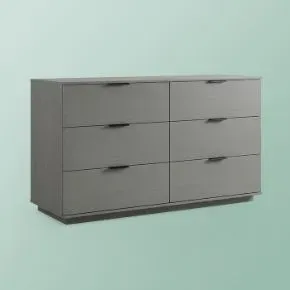
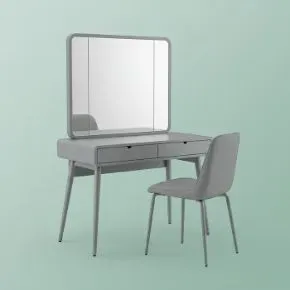
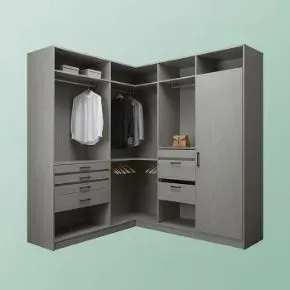
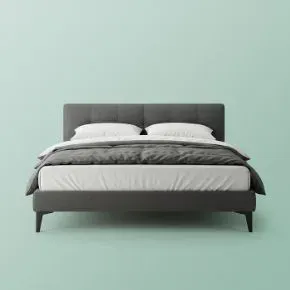
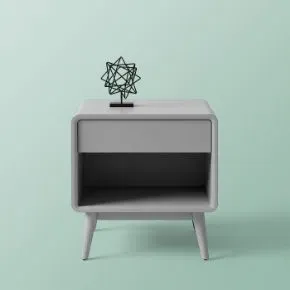
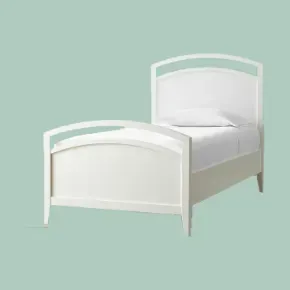
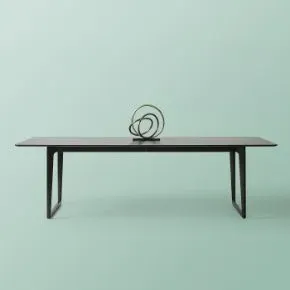
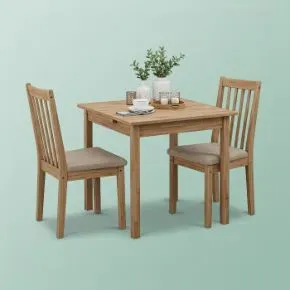
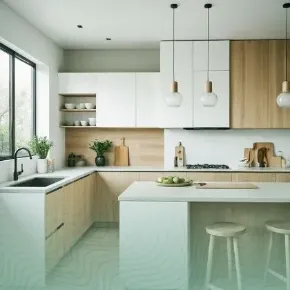
Smart Multifunctional Solutions : Modern urban spaces require adaptability. This is where custom-manufactured furniture excels. Extendable dining tables allow you to host guests effortlessly without taking up daily floor space , while built-in storage beds and ottomans keep clutter out of sight.
3. Layered Architectural Lighting : Enhancing Textures & Evening Moods
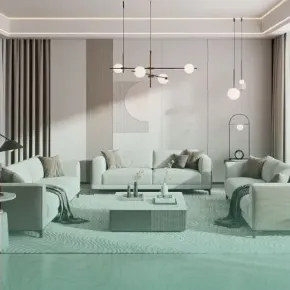
Lighting is not just about illuminating dark rooms; it is the element that highlights wood grains, fabric weaves, and architectural features. Professional interior designers build lighting in three distinct layers :
Ambient Lighting : Concealed ceiling tracks or soft fixtures that cast an even, glare-free light across the room.
Task Lighting : Focused light sources designed for specific activities, such as reading sconces, under-cabinet kitchen lighting, or desk lamps.
Accent & Mood Lighting : Floor lamps, warm side lamps, and art display spotlights that create a cozy, relaxing environment during the evening.
4. Decorative Accents & Personal Styling : Breathing Soul into Spaces
While primary furniture sets up the structural foundation, decorative accessories give a home its unique identity and warmth :
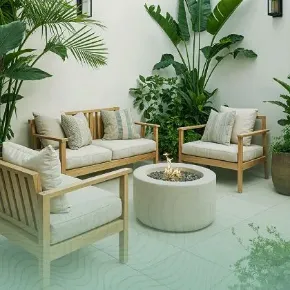
Biophilic Elements (Indoor Plants) : Adding lush indoor greens like Ficus or Monstera purifies the air while breaking up hard structural lines with natural textures.
Tactile Material Layering : Mix different textures such as raw linen , natural leather , soft velvet , and solid wood to build rich visual interest and tactile depth.
Curated Personal Artifacts : Display artwork that reflects your personal journey and place family heirlooms on custom-built display shelving.
5. Ergonomics : Balancing Visual Appeal with Everyday Comfort
The ultimate rule in modern interior design is never to compromise physical comfort for pure aesthetics. A sofa might look stunning in a brochure, but if its seat depth or back angle is poorly proportioned, daily use becomes uninspiring :
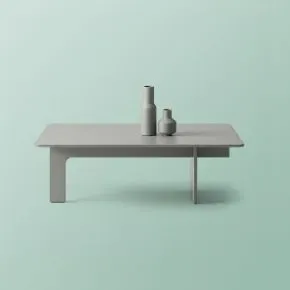
Ensure coffee tables and side tables are ergonomically aligned with seating heights.
Choose high-performance, stain-resistant, and easy-to-clean upholstery fabrics if you have a busy household.
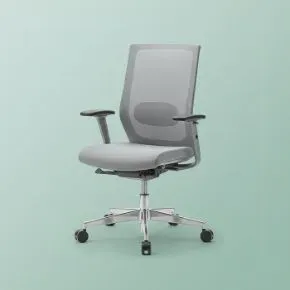
Invest in tailor-made furniture designed around human ergonomics for optimal lumbar support and long-term durability.
Craft Your Dream Sanctuary with Liqana
Transforming these design principles into your actual home requires spatial expertise, precise proportioning, and fine custom execution. At Liqana, we specialize in custom furniture manufacturing and tailored interior design solutions engineered specifically for your lifestyle and space.
Ready to elevate your living environment with custom luxury ?
Explore Liqana’s Portfolio or Contact Our Design Experts Today to schedule your private design consultation.
 footer.followus.tiktok
