


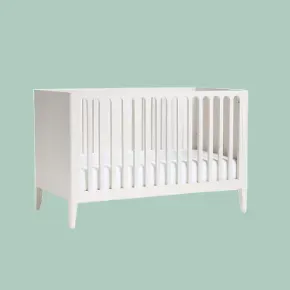
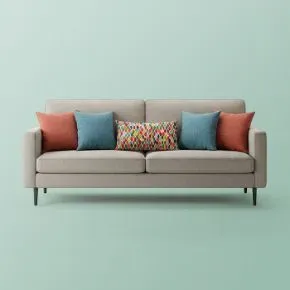
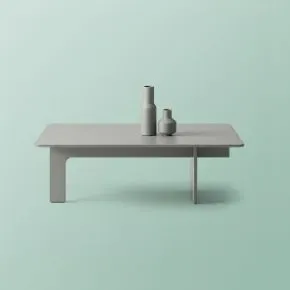

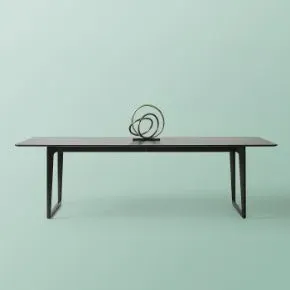


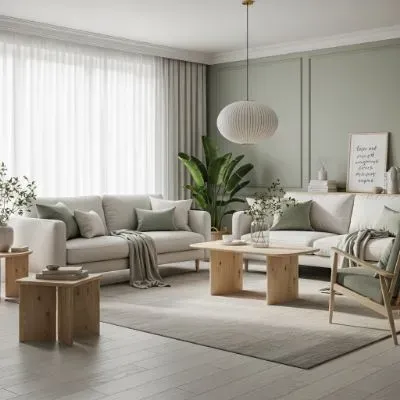
Investing in custom-manufactured, high-end furniture is a transformative decision for your home’s architectural integrity and daily comfort. However, even the most meticulously engineered hardwood frames and premium textiles require proper care to maintain their luster, structural strength, and surface brilliance over time.
Subtle daily oversights such as using harsh chemical sprays or ignoring environmental factors like humidity and sun exposure can prematurely age luxury furniture. In this comprehensive guide by Liqana, we reveal expert maintenance protocols for various high-end materials, ensuring your custom investment retains its showpiece quality for generations.
Tailored Cleaning Protocols by Material Type
Different materials possess distinct physical characteristics; using a generic all-purpose cleaner across all surfaces can strip protective finishes and ruin fine textiles:
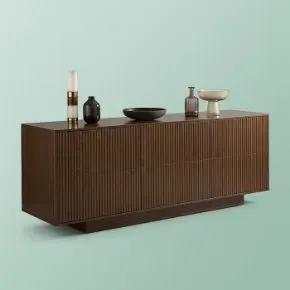
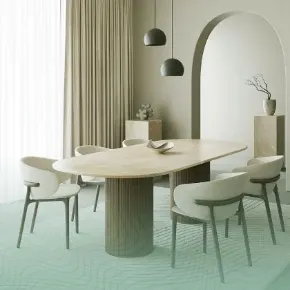
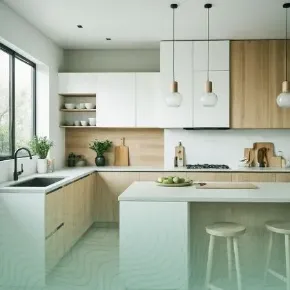
Natural Hardwood Furniture : Solid wood is an organic, breathing material. Regularly dust surfaces using a dry or slightly damp microfiber cloth. Avoid cleaners containing ammonia, bleach, or harsh synthetic solvents. Apply natural oil or beeswax conditioners every 6 to 12 months to nourish wood fibers and preserve depth of grain.
Fine Leather Upholstery : Leather requires moisture balance to prevent drying out and cracking. Wipe down surfaces weekly with a soft, slightly damp cloth and dry immediately. Apply a specialized leather conditioner every 3 to 6 months to maintain suppleness and natural elasticity.
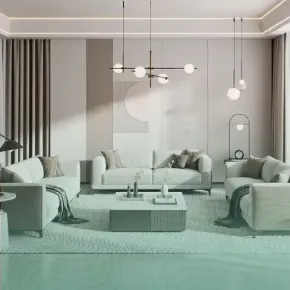
Luxury Upholstery Fabrics (Velvet , Linen , Bouclé) : Vacuum upholstered sectionals and armchairs weekly using a soft brush attachment to extract dust particles embedded within fabric fibers. For accidental spills, perform spot cleaning by gently dabbing (never rubbing) with a clean cotton cloth and specialized fabric solution.
UV Protection & Sun Damage Prevention
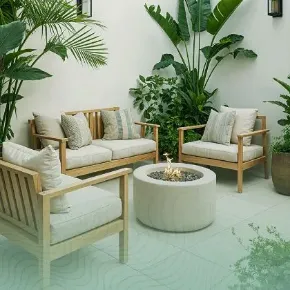
Direct sunlight is one of the primary causes of furniture degradation , causing wood finishes to yellow or fade , leather to dry out , and fabric dyes to discolor.
Utilize lined drapes or sheer window treatments to diffuse intense sunlight during peak afternoon hours.
Consider applying UV-blocking window film to expansive glass features to protect nearby custom furniture without sacrificing natural interior daylight.
Protective Covers & Cushion Rotation Tactics
Preserving your furniture does not mean compromising on everyday aesthetics; it is about strategic protection during high-impact use :
Tailored Protective Covers : Utilize custom-fitted or clear protective covers during large gatherings or in high-traffic households with pets and young children to shield against sudden spills.
Regular Cushion Flipping & Rotation : Rotate and flip seat cushions and back bolsters bi-weekly. This distributes daily seating pressure evenly , preventing foam compression and fabric creasing in isolated spots.
Climate Control : Managing Humidity & Temperature Shifts
Fluctuations in indoor climate directly affect structural joinery and upholstery stability :
Excessive Humidity : High moisture levels cause solid wood to absorb water and expand , leading to sticking drawers or fabric mildew. Use dehumidifiers in high-humidity zones to maintain an ideal indoor humidity level (around 30%–50%).
Extreme Heat : Placing custom furniture directly adjacent to heaters, radiators, or air conditioning vents dries out solid wood, leading to hairline cracks and finish flaking. Maintain at least one meter of clearance between furniture and heat sources.
Surface Shielding : Scratch & Thermal Shock Prevention
Daily interaction with dining tables, desks, and coffee tables requires proactive surface protection :
Coasters & Heat Pads : Always place thermal coasters or trivets under hot cookware and cold beverages. Heat and condensation cause moisture rings beneath clear coats and lacquers.
Felt Floor Protectors : Attach high-density felt pads to the base of all table and chair legs. This prevents scratches on hardwood or marble floors when moving furniture, and always lift rather than drag heavy pieces.
Immediate Damage Intervention & Spot Repairs
Swift action prevents minor surface accidents from turning into permanent flaws :
Instant Spill Absorption : Immediately blot liquid spills (like coffee or oil) using an absorbent microfiber towel . Never wipe horizontally, as this spreads the liquid deeper into the grain or fabric weave.
Minor Touch-Ups : Address small wood scratches immediately using wax touch-up markers matched to your furniture stain tone before the raw wood oxidizes.
Enduring Quality & Craftsmanship with Liqana
At Liqana, we engineer our custom furniture pieces using sustainably harvested hardwoods, protective topcoats, and commercial-grade luxury upholstery built to withstand real-world living.
Looking for expert guidance on custom furniture design or bespoke care ?
Explore Liqana’s Portfolio or Contact Our Design & Manufacturing Experts Today to bring long-lasting luxury into your home.
 footer.followus.tiktok
